Reviewing Pickled Limes Line for Real Embroidery Projects
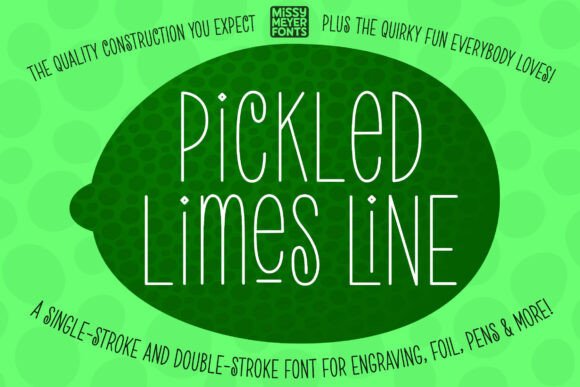
When I first opened the Pickled Limes Line file, my immediate thought wasn't about stitch counts or machine compatibility. It was about the vibe. This playful single-line font derived from the original Pickled Limes outline typeface brings a specific energy to the table that is hard to find in standard embroidery fonts. As someone who has spent years turning digital files into tangible, stitched products for clients and my own shop, I know that a font's personality can make or break a design. The tall, narrow handwritten style of Pickled Limes Line feels like it belongs in a sunlit kitchen or a boutique nursery rather than a corporate boardroom.
This isn't just another decorative element; it is a Display category Fonts selection designed to add a fun and quirky touch to a wide range of projects. But does it hold up under the needle? Can it survive the friction of a sewing machine on stretchy fabric? Let's dive into how this design performs when moved from the screen to the hoop.
The First Stitch: Mood and Visual Personality
The moment you place Pickled Limes Line on your screen, it commands attention with its distinct verticality. Unlike block letters that demand space, this font feels like it is reaching upward, creating a sense of elegance mixed with whimsy. For an embroidery designer, this shape suggests a project that needs character without overwhelming the garment. It works beautifully as a headline or a focal point on a tote bag design, where the tall letters can draw the eye vertically down the canvas.
The "single-line" aspect is crucial here. In the world of machine embroidery, less often means more precision. Because the strokes are continuous and relatively thin compared to heavy fill stitches, there is a risk of the thread breaking if the density is too high, but there is also a huge reward in terms of clarity. When executed correctly, the running stitch or satin finish of this font mimics the look of hand-drawn calligraphy, adding a level of artisanal charm that customers love. It signals that the item is handmade, thoughtful, and unique.
A Real-World Test: The Custom Apron Scenario
To truly evaluate Pickled Limes Line, I decided to test it on a project I actually use for client work: a custom embroidered apron for a local coffee shop owner. The goal was to create a personalized gift that felt professional yet approachable. The client wanted something that screamed "artisanal" but didn't look like a generic template found on every Etsy listing.
I chose a natural linen fabric for the apron, which presented a specific challenge. Linen has a textured surface that can be tricky for fine lines. However, Pickled Limes Line handled the transition surprisingly well. The narrow width of the letters meant that the design didn't get lost in the weave of the fabric. I used a dark chocolate brown thread against the beige linen, and the contrast was sharp. The tall, narrow style allowed me to fit a longer phrase across the chest of the apron without it looking cramped or requiring multiple rows.
The result was a finished product that looked expensive. Customers often tell me that they want their gifts to feel "crafted," and the quirky handwriting style of this font delivers exactly that. It doesn't look like a machine stamped it out; it looks like it was written by a human hand. This perception of quality directly impacts the perceived value of the item, allowing small business owners to price their goods higher because the design feels bespoke.
Performance Across Different Garments and Materials
While the apron was a success, I had to consider other common uses for this embroidery file. How would it perform on a sweatshirt embroidery project? On a baby onesie? Or perhaps as an embroidered patch for a denim jacket?
Custom Apparel and Sweatshirts: On a cotton blend sweatshirt, Pickled Limes Line shines. The stability of the knit fabric supports the thin lines of the font, preventing puckering. It adds a cool, retro-modern aesthetic that fits perfectly with current fashion trends. However, you must be careful with the placement. If the design is too large, the narrow letters might look disconnected on a bulky garment.
Baby Embroidery: This is where the font really finds its home. The playful nature of the letterforms makes it ideal for nursery decor or baby clothes. Parents are always looking for items that feel soft and gentle. The lack of heavy, dense blocks of stitching in Pickled Limes Line ensures that the back of the garment remains relatively flat and comfortable against a baby's skin. It is a perfect choice for a personalized gift that parents will cherish.
Holiday Embroidery: Imagine using this font for holiday gifts. A set of tea towels featuring "Merry Christmas" or "Happy Holidays" stitched in Pickled Limes Line would stand out on a counter full of traditional serif fonts. The quirky touch adds a modern twist to classic holiday themes, making them great for craft fair products or boutique branding.
Where to Be Cautious: Limitations and Risks
No design is perfect for every situation, and Pickled Limes Line is no exception. As an experienced reviewer, I need to highlight where this design might struggle so you don't waste time and thread.
Small Hoop Sizes: Because the letters are tall and narrow, they require enough vertical space to breathe. If you try to cram this font into a very small hoop, the details at the top and bottom of the letters might get cut off or become indistinguishable. Always check your hoop size before finalizing the layout.
Textured and Stretchy Fabrics: While it worked well on linen, highly textured fabrics like chunky wool or very stretchy jersey knits can distort the delicate lines of a single-line font. The tension of the machine can pull the fabric, causing the thin strokes to wobble or merge together. If you are working with a stretchy fabric, you must use a strong stabilizer to prevent the design from shifting during stitching.
Detailed Corners and Tiny Lettering: If you plan to use this font for tiny lettering on a cap or a small embroidered patch, proceed with caution. The curves and corners of the handwritten style can become muddy if the digitization isn't perfect. Dense stitch areas in tight corners can cause the thread to bunch up, ruining the clean look of the font.
Practical Designer Notes for Success
If you are ready to incorporate Pickled Limes Line into your commercial embroidery projects or personal crafts, follow these practical steps to ensure a professional outcome.
- Test on Scrap Fabric: Never go straight to the final product. Run a test stitch on a scrap piece of the same fabric to check how the thread interacts with the material.
- Check Thread Color Contrast: Ensure the thread color stands out clearly against the background. Low contrast can make the thin lines of the font disappear entirely.
- Review Stitch Density: Look at the digitized file closely. If the density is too high, the fabric will pucker. If it is too low, the design may look sparse and weak.
- Confirm Hoop Size: Make sure your design dimensions fit within your intended hoop size with some margin for error.
- Inspect Small Details: Zoom in on the digital mockup to see if any parts of the letters are too fragile to stitch.
- Use Proper Stabilizer: For this type of font, a cut-away stabilizer is often recommended to provide long-term support and prevent distortion over time.
- Test Light and Dark Backgrounds: Create printable mockups in both black and white to visualize the design's impact on different colorways.
- Licensing Check: Before selling finished items or digital products, confirm the licensing terms. Some fonts allow commercial use, while others are restricted to personal projects only.
Final Verdict on Visual Appeal and Value
In the competitive world of handmade products and digital design assets, standing out is essential. Pickled Limes Line offers a distinct visual appeal that can elevate a simple tote bag design or a basic t-shirt into a statement piece. It builds customer trust by showing attention to detail and a unique brand identity.
For Etsy sellers and small shop owners, this font is a valuable addition to your library. It allows you to offer personalized gifts that feel special and tailored. Whether you are creating holiday embroidery pieces, boutique branding materials, or custom apparel, Pickled Limes Line provides the quirky, handwritten charm that modern consumers crave. Just remember to respect the limitations of the design, test thoroughly, and let the artistry shine through.
When used wisely, this embroidery project asset transforms a standard machine stitch into a work of art. It proves that even a simple line can carry a lot of personality and value when applied with skill and care.