Halloween Plants Embroidery Design Review
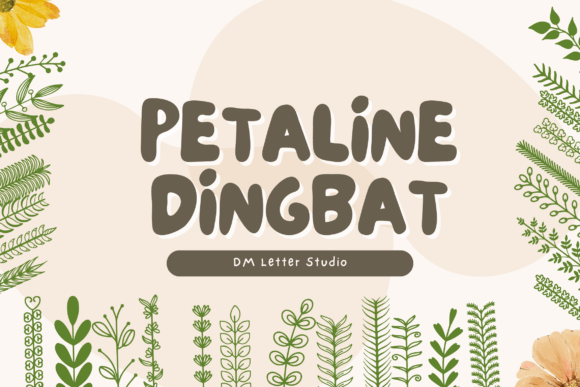
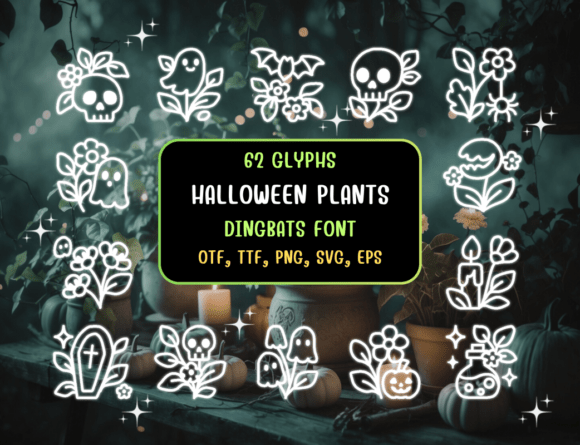
When I first opened the Halloween Plants file to test it on my hoop, I wasn't just looking at a font; I was looking for a mood. In the world of machine embroidery, fonts can often feel rigid or overly digital, but this dingbats collection immediately felt organic and hand-drawn. It captures that specific whimsical vibe of autumn gardens where pumpkins are growing in pots and vines are creeping across trellises. As someone who has spent years reviewing design assets for real-world commercial use, I am always skeptical of whether a design will translate well from a screen to thread. My initial impression is that Halloween Plants strikes a delightful balance between spooky and sweet, making it an excellent choice for boutique branding or personalized gifts.
The First Stitch: Real-World Application
Let's talk about how this actually performs when it hits the fabric. I recently had a scenario where a client wanted a custom embroidered tote bag for a local craft fair. They needed something that screamed "fall season" without being cliché. The Halloween Plants design was the perfect candidate. Unlike standard text fonts that might look stiff on a canvas bag, the illustrated elements—little jack-o'-lanterns, ghostly leaves, and curvy stems—add texture and visual interest. When stitched onto a natural cotton tote, the design didn't just sit there; it seemed to breathe. The hand-drawn nature of the illustrations allows for a softer finish that feels more like a piece of art than a mass-produced label.
I also tested the concept on a baby onesie for a holiday gift. The delicate curves of the plants work beautifully with satin stitch, which is crucial for keeping the edges clean on small items. However, I noticed that the intricate details require careful attention to thread tension. If you are planning to use this for embroidery project files intended for high-volume production, you need to ensure your machine is calibrated correctly. The design works best when the contrast between the thread colors and the fabric is high. A dark green vine on a black sweatshirt might get lost, whereas white or cream thread on a navy tee would make those Halloween motifs pop.
Where This Design Shines in Your Shop
If you are an Etsy seller or a small business owner, knowing where to place your designs is half the battle. Halloween Plants is versatile enough to be used on a wide range of products. For starters, it is ideal for kitchen towels and aprons. Imagine a set of aprons featuring these playful plant illustrations stitched near the pocket; it adds a charming touch that customers love to see in their own kitchens. The design also translates well to pillow covers, creating a cozy atmosphere for fall decor.
For apparel decorators, this font is a goldmine for seasonal collections. It works wonderfully on sweatshirts and t-shirts, particularly for groups or families coordinating for a party. The individual characters can be scattered across the chest or back, creating a fun, scattered effect rather than a solid block of text. It is also excellent for creating embroidered patches. Because the design features distinct shapes like pumpkins and leaves, they hold up well when cut out and applied to denim jackets or caps. The flexibility of the dingbats means you aren't locked into a single phrase; you can mix and match elements to create unique compositions for each order.
Practical Challenges and Where to Be Careful
While I love the aesthetic, every designer knows that beauty doesn't always equal durability. There are specific scenarios where Halloween Plants requires caution. One major consideration is the hoop size. If you attempt to stitch the full layout on a very small 4x4 hoop, some of the finer details might get crowded. The running stitches connecting the elements could merge together if the spacing isn't adequate, leading to a muddy appearance. Always test the design on scrap fabric first to see how the density holds up.
Fabric texture is another critical factor. Stretchy fabrics like jersey or thin knits can cause distortion, especially if the design includes dense fill stitches. The weight of the stitching might pull the fabric out of shape, ruining the look of the finished product. Similarly, on textured fabrics like fleece or heavy wool, the fine lines of the hand-drawn style might not register clearly. In these cases, you might need to adjust the stabilizer choice or even simplify the design slightly. Dark fabrics present their own challenges; while they look stylish, they demand precise thread selection. If you don't have enough coverage, the underlying fabric color will show through, making the design look incomplete.
Another area to watch is the longevity of the product. If you are creating items that will undergo frequent washing, such as work shirts or children's clothes, you must ensure the stitch density is sufficient to prevent pilling or fraying. The decorative accents in Halloween Plants are lovely, but they should not be so loose that they snag easily. For commercial embroidery projects, consistency is key. You want every batch of finished product to look identical, which means mastering your setup before hitting the production line.
Designer Notes for Success
To get the most out of this digital embroidery file, I recommend a few practical steps before you start stitching. First, review the stitch density in your software. If the design looks too light, consider adding a backing layer or adjusting the underlay settings. Second, check the thread colors against your intended fabric. Sometimes a color that looks vibrant on screen appears dull once stitched. Testing in black and white mockups can help you visualize the contrast levels effectively.
Don't forget to inspect the small details closely. Dingbats fonts often rely on tiny flourishes that can disappear if the needle is dull or the speed is too fast. Using the proper stabilizer is non-negotiable; for stretchy materials, a tear-away or cut-away stabilizer will provide the necessary support to keep the applique design or lettering flat and crisp. Also, verify the licensing terms if you plan to sell the finished items. Some design assets allow for personal use only, while others permit commercial sales of physical goods. Confirming these details upfront saves you from legal headaches later.
Ultimately, Halloween Plants is a fantastic addition to any designer's library. It brings a sense of personality and warmth to projects that might otherwise feel generic. Whether you are creating a holiday gift for a neighbor or launching a new line of small shop products, this font offers the versatility needed to stand out. By paying attention to fabric choices, stabilizer types, and stitch settings, you can ensure that your handmade product reflects the high quality and creativity that Halloween Plants promises. Happy stitching!